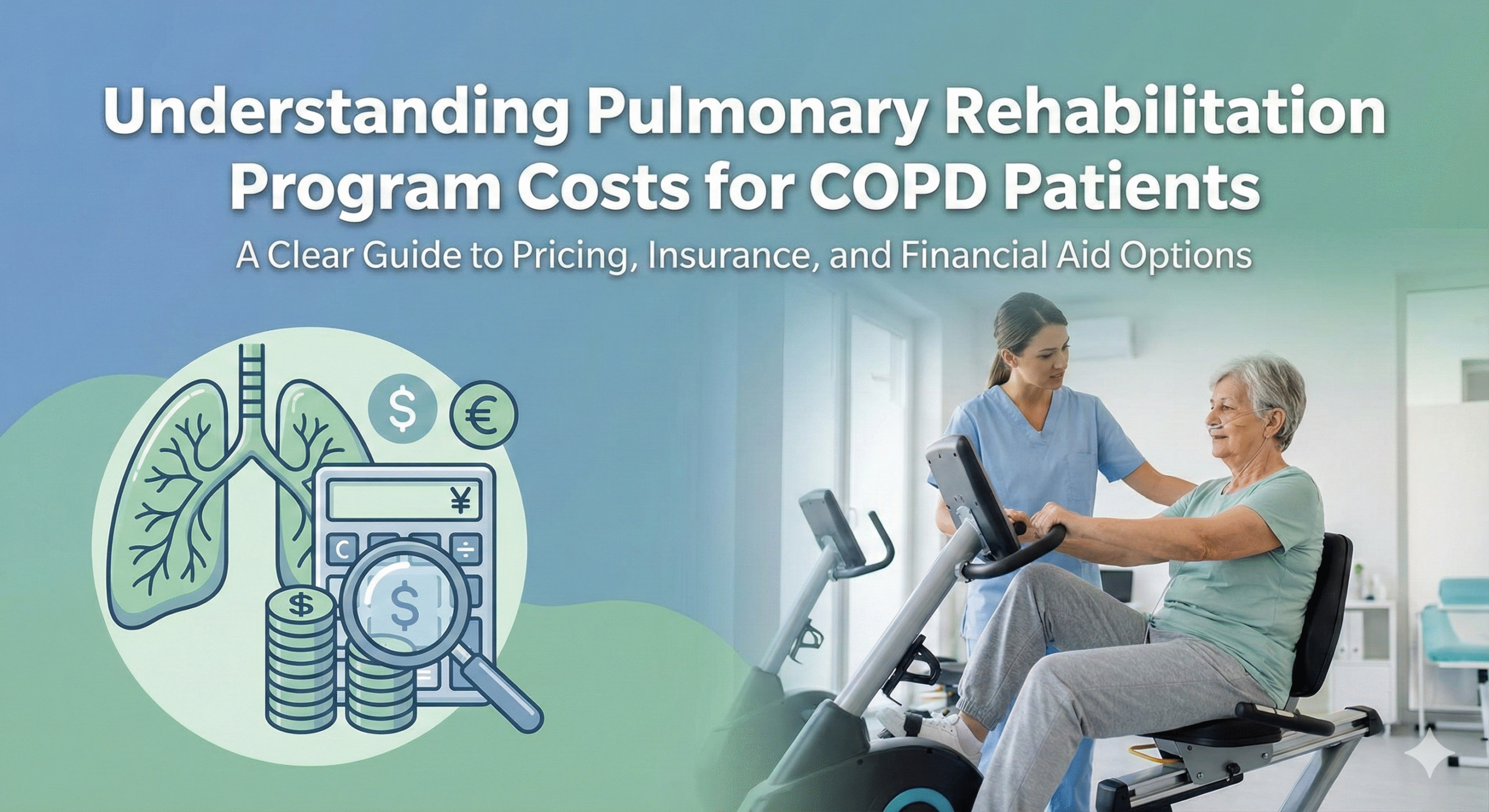
If you’ve been diagnosed with chronic obstructive pulmonary disease (COPD), your doctor may have recommended pulmonary rehabilitation. While this program can significantly improve your breathing and quality of life, many patients hesitate due to concerns about cost. Understanding the financial aspects of pulmonary rehabilitation programs can help you make an informed decision about this life-changing treatment.
What Does Pulmonary Rehabilitation Actually Cost?
The cost of pulmonary rehabilitation varies significantly depending on your insurance coverage, location, and the facility you choose. For patients with Medicare Part B, coverage typically includes up to 36 sessions over 36 weeks for moderate to very severe COPD. If you receive treatment at a doctor’s office, you’ll pay 20% of the Medicare-approved amount, while hospital outpatient settings require a copayment for each session plus the annual Part B deductible.
Private insurance plans often cover pulmonary rehabilitation as well, but authorization may be required before starting treatment. Contact your insurance provider and the rehabilitation program coordinator to determine your specific out-of-pocket costs. Don’t let uncertainty about expenses prevent you from exploring this option-many facilities offer financial counseling to help you understand your costs upfront.
The Hidden Value: Cost Savings Beyond the Price Tag
While you may focus on the immediate costs, research reveals that pulmonary rehabilitation actually saves money in the long run. A study published in JAMA Network Open found that participation in pulmonary rehabilitation results in net savings of over $5,000 per patient by reducing hospitalizations and emergency room visits. Another Canadian study showed cost reductions of approximately $344 per person annually after completing a program.
These savings occur because pulmonary rehabilitation helps you manage your COPD symptoms more effectively, reducing the need for urgent medical care. You’ll learn breathing techniques, receive structured exercise training, and gain education about medication management-all of which contribute to fewer COPD exacerbations and hospital admissions.
What’s Included in a Pulmonary Rehabilitation Program?
Understanding what you’re paying for helps put the costs in perspective. According to the Centers for Medicare & Medicaid Services (CMS) regulations, most programs run 8-12 weeks with sessions two to three times per week. Each session typically lasts 1-2 hours and includes:
- Supervised exercise training tailored to your fitness level
- Breathing exercises and techniques to reduce shortness of breath
- Education about your condition and medications
- Nutritional counseling
- Support from respiratory specialists, physical therapists, and other specialists
You’re not just getting exercise classes—you’re receiving comprehensive care from a multidisciplinary team dedicated to helping you breathe easier and live better.
Making Pulmonary Rehabilitation More Accessible
If cost remains a barrier, explore these options: ask about payment plans at your chosen facility, inquire about sliding-scale fees based on income, check if your area has community-based programs with lower costs, consider virtual pulmonary rehabilitation options if you live in a rural area and have Medicare, and contact patient assistance programs through organizations like the American Lung Association.
Recent changes allow nurse practitioners and physician assistants to supervise pulmonary rehabilitation, potentially expanding access and reducing costs in some areas. Additionally, some facilities offer maintenance programs after completing formal rehabilitation, helping you sustain improvements at a lower monthly cost.
Is Pulmonary Rehabilitation Worth the Investment?
Despite proven benefits-including improved breathing, increased stamina, better quality of life, and reduced hospitalizations-fewer than 5% of eligible COPD patients in the United States participate in pulmonary rehabilitation. Cost concerns contribute to this low participation rate, but the evidence is clear: pulmonary rehabilitation delivers significant health and financial benefits.
The National Heart, Lung, and Blood Institute (NHLBI), part of the National Institutes of Health, has conducted extensive research on COPD and continues to support programs that advance our understanding of this condition. Their research has contributed to developing evidence-based guidelines that help healthcare providers deliver the most effective care.
If you’re struggling with breathlessness and your daily activities feel increasingly difficult, talk to your healthcare provider about whether pulmonary rehabilitation is right for you. The investment in your health today can lead to years of improved breathing, greater independence, and reduced healthcare costs tomorrow. Your lungs-and your wallet-will thank you.